
MDF Sheets Trade Supplier Australia-Wide
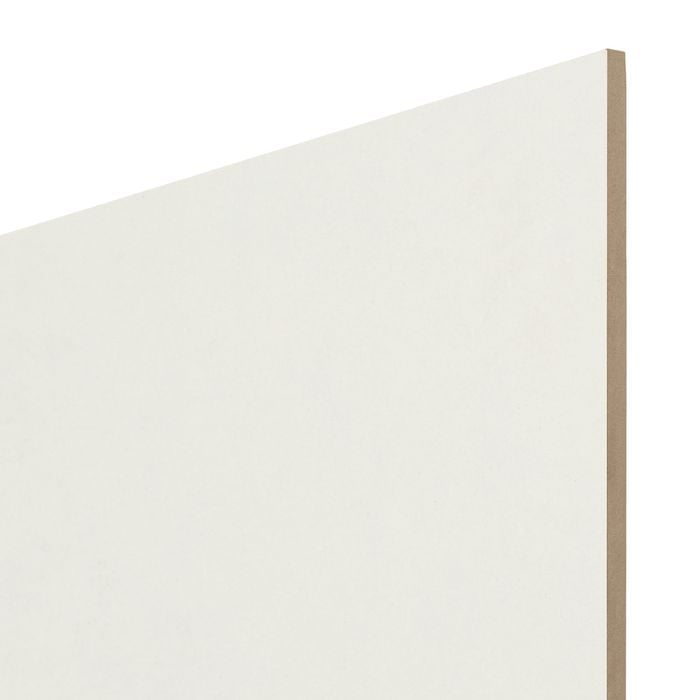
Standard and moisture-resistant MDF sheet stock for joinery, shopfit, cabinetry and trade fabrication. Smooth, uniform substrate for paint and laminate finishes.
Category
Plywood & Sheet Products
Type
Sheet Material
Variants
15 available
Availability
In Stock
Delivery
Australia-wide
Variants
15 of 15
/
- MDF 2400x1200 3mm Std E0 Request
- MDF 2400x1200 6mm Std E0 Request
- MDF 2400x1200 9mm Std E0 Request
- MDF 2400x1200 12mm Std E0 Request
- MDF 2400x1200 16mm Std E0 Request
- MDF 2400x1200 18mm Std E0 Request
- MDF 2400x1200 25mm Std E0 Request
- MDF 2400x1200 32mm Std E0 Request
- MDF 2440x1220 3.2mm Whiteback (LFE) Request
- MDF Handy Panel 3mm (900x600, 1200x600, 1200x900) Request
- MDF Handy Panel 6mm (900x600, 1200x600, 1200x900) Request
- MDF Handy Panel 9mm (900x600, 1200x600, 1200x900) Request
- MDF Handy Panel 12mm (900x600, 1200x600, 1200x900) Request
- MDF Handy Panel 16mm (900x600, 1200x600, 1200x900) Request
- MDF Handy Panel 18mm (900x600, 1200x600, 1200x900) Request
No variants match your filter.
Frequently asked questions
What does E0 mean on Birak's standard MDF?
E0 is a formaldehyde emission classification, the lowest emission grade for engineered wood products, well below older E1 and E2 specifications. E0 MDF is suited to indoor environments where air quality matters, including residential joinery, school fitouts, healthcare and commercial spaces. Birak's standard MDF is supplied as E0 across 3, 6, 9, 12, 16, 18, 25 and 32mm thicknesses in 2400x1200 sheets, all the common joinery and shopfit thicknesses on a single PO.
When should I use HMR (moisture-resistant) MDF?
Standard E0 MDF is designed for dry indoor use. Joinery, cabinetry, shopfit and painted finish applications. Moisture-resistant MDF (HMR) suits wet-area joinery such as bathroom vanities, kitchen carcassing in splash-prone areas, and laundry cabinetry. HMR is not waterproof but provides significantly better resistance to occasional moisture compared to standard MDF. Birak's 2400x1200 16mm Decor Melamine Shelving HMR is one example. Contact us for project specifications across the HMR range.
MDF vs particleboard for cabinetmaking, which is better?
MDF has a finer, denser surface than particleboard, making it the standard choice for painted finishes, machined edges, shaped profiles and routed details. Particleboard has slightly higher core strength for screw retention in shelving and carcassing, and is generally cheaper for unseen cabinet bodies. Many quality cabinets use both. MDF for visible doors and panels, particleboard or HMR particleboard for carcassing. Birak supplies both ranges so cabinetmakers can specify per component.
What are MDF handy panels useful for?
MDF handy panels are pre-cut to convenient smaller sizes. 900x600, 1200x600 and 1200x900. Saving cabinetmakers and trades from cutting full 2400x1200 sheets for small joinery work. Birak supplies handy panels in 3, 6, 9, 12, 16 and 18mm thicknesses, ideal for repair work, small custom builds, drawer bottoms and trade vans where storing full sheets isn't practical. The same E0 emission grade applies.
Does MDF count toward Indigenous Procurement Policy targets?
Yes. Birak is Supply Nation Registered, so every dollar spent on E0 MDF, HMR MDF, melamine shelving and our handy panel range counts toward your IPP Indigenous procurement target. Audit-ready procurement documentation is supplied automatically with each invoice. For shopfitters, school and healthcare fitout contractors, and Commonwealth-funded joinery projects, MDF supply through Birak is a meaningful path to lift Indigenous procurement contribution.
Need a quote on MDF Sheets?
Tell us your project, sizes and quantities. We'll come back with bulk pricing, lead times and a delivery plan, typically within one business day.
More in Plywood & Sheet Products
Plywood
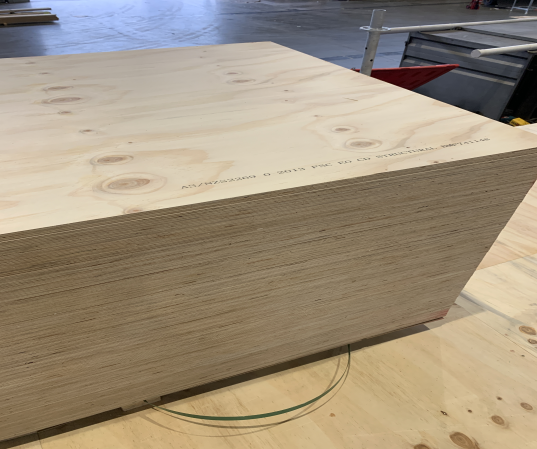
Structural Plywood
Plywood
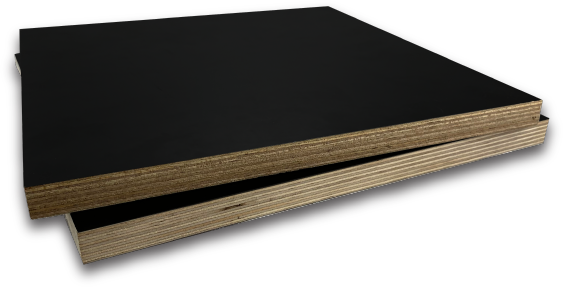
Formwork Plywood
Plywood
Marine Plywood
Plywood
Flooring Plywood
Plywood
Exterior Plywood
Plywood
Non-Structural Plywood